Introduction to Shanghai
Shanghai, a vibrant metropolis located on the eastern coast of China, stands as a testament to the nation’s rapid modernization while retaining an extensive cultural heritage. This global city is the largest in China and serves as a vital financial hub in the Asia-Pacific region. With a population exceeding 24 million inhabitants, Shanghai epitomizes the fusion of East and West, a characteristic that is profoundly evident in its architecture, urban layout, and diversified culture.
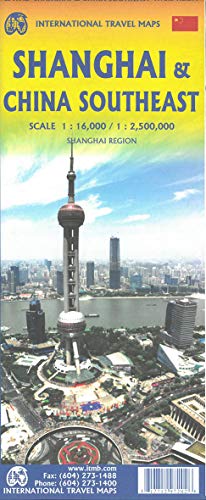

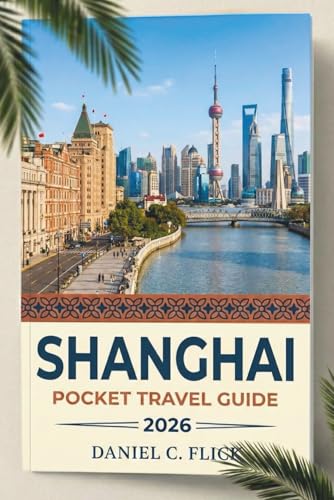
The history of Shanghai dates back to the 11th century when it was a small fishing village. However, the 19th century witnessed transformative changes that propelled Shanghai onto the world stage, particularly after the establishment of treaty ports in 1842. This marked the beginning of significant foreign influence, leading to an eclectic mix of architectural styles that ranges from Art Deco to modernist skyscrapers, a feature that gives the city its unique skyline today.
Shanghai’s rapid development is characterized by its willingness to embrace modernization while preserving its tradition. The narrow lanes of the former French Concession, along with the historical Bund district, juxtapose the ultra-modern skyline of Pudong, showcasing the city’s evolution over the decades. This blend of history and modernity not only attracts millions of tourists annually but also facilitates a dynamic environment for both local and international businesses.
Furthermore, the vibrant art scene, rich culinary variety, and diverse neighborhoods reflect the melting pot of cultures that Shanghai embodies. As a focal point for global commerce and a hub of cultural exchange, Shanghai provides an array of experiences, making it a must-visit destination for travelers seeking to explore the multifaceted identity of contemporary China.
Top Historical Attractions
Shanghai, a city renowned for its rich history and vibrant culture, offers a plethora of historical attractions that capture the essence of its past. Among the most notable sites is The Bund, a waterfront area that showcases an eclectic collection of architectural styles from the colonial era. Established in the 19th century, The Bund acted as the financial hub of Asia and is adorned with magnificent edifices, such as the Hong Kong and Shanghai Bank and the Peace Hotel, which epitomize the grandeur of the colonial period. The stunning contrast of these historical buildings against the modern skyline of Pudong is a sight that attracts numerous visitors.
Another significant site is Yuyuan Garden, which dates back to the Ming Dynasty (1368–1644). This classical Chinese garden, sprawling over five acres, showcases the exquisite landscape design characteristic of traditional Chinese gardens, featuring rock formations, ponds, and pavilions. The garden not only serves as a serene escape from the bustling city but also provides insight into the intricacies of ancient Chinese horticulture and architecture. Yuyuan Garden is further enriched by cultural stories, such as the legend of the garden’s creation by a provincial governor for his aging parents, reflecting the filial piety deeply rooted in Chinese culture.
Additionally, the Shanghai Museum offers a captivating journey through the city’s history, housing a remarkable collection of ancient Chinese art. Established in 1996, the museum is renowned for its extensive exhibits, including bronze artifacts, ceramics, and paintings, providing visitors with insight into China’s vast cultural heritage. The building itself, designed to resemble an ancient Chinese ding (a type of cauldron), is an architectural marvel that enhances the visitor experience. Each of these historical attractions serves as a testament to Shanghai’s enduring legacy and societal evolution, making them essential stops for any traveler.
Modern Marvels of Shanghai
Shanghai, known for its breathtaking skyline and dynamic growth, serves as a testament to China’s rapid modernization. Among the most iconic structures in the city, the Oriental Pearl Tower stands out with its unique design and vivid colors. Located in the Pudong district, this remarkable tower reaches a height of 468 meters, making it a prominent feature of the Shanghai skyline. Visitors can enjoy breathtaking panoramic views of the city from the observation deck, alongside engaging exhibitions about the tower’s history and Shanghai’s development.
Another architectural wonder that defines the Pudong area is the Shanghai Tower. Completed in 2015, this skyscraper is the tallest building in China and the second tallest in the world, stretching to an impressive height of 632 meters. Distinguished by its twisting design, the Shanghai Tower incorporates sustainable technology and energy-efficient systems. The multi-level observation deck offers an immersive experience for visitors, featuring a breathtaking view that showcases the city’s vibrant life, especially during evening hours when the skyline lights up with colorful displays.
In addition to the Oriental Pearl Tower and Shanghai Tower, the district of Pudong is home to a range of modern buildings that reflect the city’s innovation. The Shanghai World Financial Center, often referred to as the “bottle opener” due to its unique shape, displays a perfect blend of modernity and functionality. Visitors can explore the various dining and entertainment options available within these intricate complexes, further enhancing their experience. These modern marvels of Shanghai collectively embody the essence of the city’s aspirations and serve as popular destinations for tourists eager to witness the grandeur of a rapidly advancing metropolis.
Cultural Experiences and Local Cuisine
Shanghai, a vibrant metropolis, presents a tapestry of cultural experiences that reflect its rich history and modern dynamism. One of the most captivating ways to immerse oneself in Shanghai’s heritage is through its various local festivals. Events such as the Chinese New Year usher in colorful parades, dragon dances, and traditional performances, creating an exciting atmosphere that captivates both locals and tourists. Additionally, the Mid-Autumn Festival showcases the city’s traditional customs, highlighted by mooncake tastings and lantern displays, providing an authentic glimpse into Chinese culture.
Art enthusiasts will find a wealth of inspiration within Shanghai’s contemporary art scene. The Power Station of Art, which serves as China’s first state-run museum dedicated to contemporary art, features exhibitions that showcase both local and international artists. Furthermore, thriving art districts such as M50 and the 798 Art Zone boast galleries that display diverse artworks, galleries that reflect the innovative spirit of Shanghai.
Dining in Shanghai is a journey of its own. The local cuisine is a delectable fusion of flavors, characterized by its bold tastes and fresh ingredients. Must-try dishes include xiaolongbao, or soup dumplings, which are famed for their delicate wrappers and savory broth. Another notable dish is shengjianbao, pan-fried buns that are crispy on the outside and juicy on the inside. For a delightful dining experience, restaurants such as Din Tai Fung and Jia Jia Tang Bao are popular among both locals and visitors.
The gastronomic landscape of Shanghai also extends to street food, where hawkers offer an array of delights, from grilled skewers to sweet dragon beard candy. As you explore the city, you’ll discover that Shanghai’s culinary offerings are as diverse as its cultural experiences, making it a must-visit destination for those eager to engage with both traditions and modern innovations.