Understanding Different Types of Maps
When navigating Rome, tourists and locals alike have various types of city maps at their disposal. Each kind offers unique benefits and limitations, depending on the user’s preferences and specific needs. The three primary categories of maps to consider are traditional paper maps, digital maps, and specialized tourist maps.
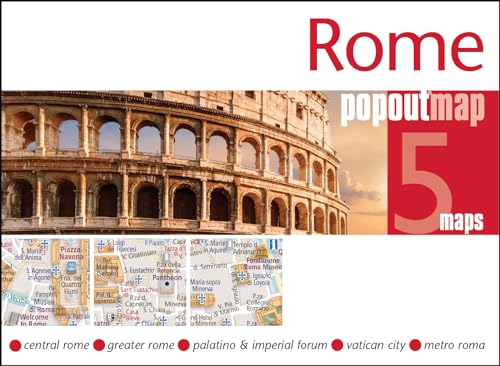

Traditional paper maps remain popular, particularly among those who appreciate the tactile experience of reading a physical map. These maps are often available at tourist information centers and can be quite detailed, capturing the intricate layout of Rome’s streets and historical sites. However, users may find that paper maps are less user-friendly, particularly in unfamiliar areas where orientation can be challenging.
Digital maps, commonly accessed via smartphones and tablets, have revolutionized city navigation. Applications such as Google Maps provide users with real-time traffic updates, estimated travel times, and even turn-by-turn navigation. Additionally, digital maps can be easily updated, ensuring users always have access to the latest information. On the downside, reliance on battery life and internet connectivity can pose challenges when exploring Rome’s more remote areas.
Specialized tourist maps are designed to cater specifically to visitors, highlighting major landmarks, historical sites, and popular attractions. These maps often come with additional information, such as suggested itineraries or cultural tips. While they can significantly enhance the touring experience, their narrow focus might limit broader exploration options for more adventurous travelers.
In summary, understanding the differences between these map types can greatly enhance navigation through Rome. Each offers distinct advantages that can suit various preferences, whether one seeks a traditional approach with paper maps, the convenience of digital tools, or the guided efficiency of specialized tourist maps.
Evaluating Map Features and Usability
When selecting a city map for Rome, it is essential to consider various features and usability elements to ensure that you have a reliable tool for navigating the city. One of the primary factors to assess is the scale of the map. A detailed scale will allow you to understand distances better and find your way to important landmarks, plazas, and historical sites.
Landmarks should be clearly marked on the map, as these are crucial for orientation and locating significant attractions. Ensure that the map provides comprehensive street detail, which is vital for those who prefer exploring by foot. The city of Rome has many narrow streets and alleyways, so detailed street representation can significantly enhance your navigation experience.
In addition to street detail, including public transport information is vital for travelers relying on buses, trams, or the metro system. A good map for Rome should indicate transport lines and stations to facilitate easy access to various parts of the city. Also look for points of interest such as museums, parks, and eateries, as these will enrich your travel experience.
Usability elements are just as important as the features themselves. Readability is crucial; a map should have a clear font and color contrast that allows for easy reading in various lighting conditions. Foldability is another aspect to consider, as a map that can be easily folded or stored will be more user-friendly while navigating busy streets. Furthermore, GPS compatibility has become increasingly vital. Many travelers prefer digital maps that work seamlessly with GPS to provide real-time navigation and updates.
By carefully evaluating these features and usability elements, you can choose a city map that complements your travel style and enhances your experience in Rome.
Top Recommendations for City Maps of Rome
When it comes to navigating the enchanting streets of Rome, having the right city map is essential. Below are several recommendations that cater to diverse needs and preferences, including both offline and online options.
1. Official Tourist Maps
The official tourist map, obtainable from tourist information centers, is a reliable choice. This map highlights major attractions such as the Colosseum, Vatican City, and the Pantheon, ensuring visitors do not miss any significant landmarks. It is user-friendly and designed specifically for tourists.
2. Google Maps
For those who prefer a smartphone solution, Google Maps is invaluable. Offering both online and offline capabilities, users can download maps for offline access, making it easy to navigate without a constant internet connection. It includes real-time updates on public transportation, dining options, and walking routes.
3. Rome2rio
Rome2rio is another excellent app that integrates city maps with transportation options. It helps travelers figure out how to get from one point to another using various modes of transport, complete with estimated travel times and costs.
4. Walking Tour Maps
For those who enjoy exploring on foot, specialized walking tour maps offer curated routes that highlight both famous sites and hidden gems. These maps may come from local guides or independent websites and often provide insights into Roman history and culture, enriching the walking experience.
5. Printable Maps
Finally, printable maps are beneficial for travelers who prefer to have physical copies. Many travel websites offer downloadable PDF maps that can be printed, providing a tangible reference as visitors explore the city.
Selecting the right map enhances your experience in Rome, guiding you through its historical streets and making it easier to discover the beauty of this remarkable city.
Tips for Using Maps Effectively in Rome
Using city maps effectively during your visit to Rome can greatly enhance your experience, providing clarity and direction as you explore this historic city. Here are some practical tips to maximize the utility of your selected city map.
First and foremost, it is beneficial to familiarize yourself with the layout of the map in advance. Before embarking on your journey, take a few moments to identify major landmarks, neighborhoods, and transportation routes. This preliminary understanding can help streamline your itinerary and reduce confusion while navigating. When planning your day, consider marking key points of interest on the map, such as museums, restaurants, and public squares, to create a structured plan that makes the most of your time.
Understanding local transport routes is another vital aspect of map usage. Rome boasts a comprehensive public transit system, including buses and metro services that can significantly ease your traversal of the city. Check the map for station locations and bus stops, and ensure you have a clear understanding of the connections. Many city maps will also include transit information, which can help you interpret routes and schedules more effectively.
When navigating busy areas, it’s advisable to stay aware of your surroundings. While a map is an excellent tool, it’s also essential to remain conscious of local traffic patterns and pedestrian areas. Consider blending your map usage with technology; for instance, downloading navigation apps on your smartphone can help you receive real-time updates about your location and alternative routes if necessary.
Incorporating local knowledge into your navigation strategy can further enhance your adventures. Engaging with locals can provide insights about shortcuts or highlights that may not be prominently featured on your map, making your exploration of Rome a more enriching experience. Ultimately, combining traditional map reading with modern technology and community insights will elevate your trip and allow for an immersive exploration of the Eternal City.