The Iconic Duomo di Milano
The Duomo di Milano, an enduring symbol of Milan, is renowned for its stunning Gothic architecture and intricate detail. This grand cathedral, which took nearly six centuries to complete, stands as one of the largest cathedrals in Europe, boasting over 3,400 statues and 135 spires. The structure is primarily built of white marble, which contributes to its awe-inspiring appearance, particularly when illuminated by the sun.


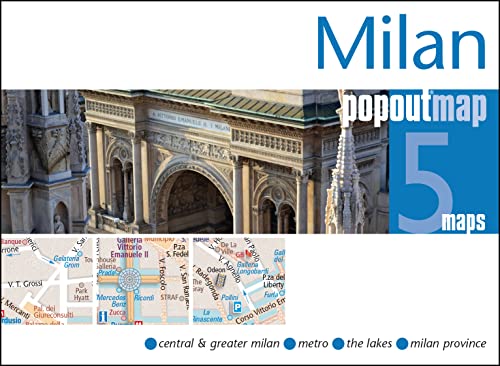
Visitors to the Duomo are often captivated by its historical significance. The cathedral was consecrated in 1418 and has since been the site of numerous important events, including the coronation of several archbishops. Its history is reflected in the architecture, showcasing various styles that evolved over the centuries. The facade, richly adorned with sculptures, depicts biblical scenes and figures, adding a dramatic narrative to the visitor’s experience.
One of the most sought-after experiences at the Duomo is accessing its rooftop. Visitors can ascend via stairs or an elevator, providing breathtaking views of the cityscape and a closer look at the cathedral’s intricate sculptures and flying buttresses. From this vantage point, one can appreciate the scale and artistry of this monumental structure. To plan your visit effectively, consider purchasing a ticket online to avoid long lines, particularly during peak tourist seasons. The cathedral is open daily, but checking the official website for seasonal hours and any special events is advisable.
The surrounding piazza adds to the charm of the Duomo, often bustling with locals and tourists alike. Engaging with the street performances or enjoying refreshments from nearby cafés enhances the overall experience, making the Duomo di Milano not just a landmark but a vibrant heart of Milan.
Discovering the Art of the Last Supper
Leonardo da Vinci’s The Last Supper is not merely a painting; it is a historical treasure that has captured the imagination of art enthusiasts for centuries. Painted between 1495 and 1498, this mural is housed in the refectory of the Convent of Santa Maria delle Grazie in Milan, Italy. The backdrop of this magnificent piece reflects the religious significance of the moment when Jesus announces his betrayal to his disciples, a theme that resonates within both the Christian and artistic communities.
The process of creating The Last Supper was innovative for its time, as Leonardo employed a unique mixture of tempera and oil on a dry wall, rather than the traditional fresco technique. This choice, although ambitious, led to the deterioration of the painting over the years. Despite its challenges, the piece has undergone extensive restoration efforts, which allow viewers today to appreciate its grandeur and intricate details. Leonardo’s masterful use of perspective and composition guides the viewer’s attention towards the central figure of Christ, embodying both the emotional intensity of the moment and the revolutionary techniques that characterize the High Renaissance.
For those seeking to experience this iconic artwork first-hand, it is essential to plan ahead. Tickets can be booked in advance through the official site or authorized ticket vendors, as entry is often limited due to the painting’s vulnerable condition. Guided tours are available and can enrich the viewing experience by providing additional context and insights into Leonardo’s techniques and the historical significance of the piece. Remember to check for specific visiting hours and any restrictions, as it is customary to ensure the conservation of this unparalleled masterpiece.
Strolling through the Fashion District – Quadrilatero della Moda
Milan’s Quadrilatero della Moda, often referred to as the Fashion District, stands as a testament to the city’s influence in the global fashion landscape. This upscale area is defined by its illustrious avenues, namely Via Montenapoleone, Via della Spiga, Via Manzoni, and Corso Venezia, forming an exclusive shopping quadrilateral that is a must-visit for fashion enthusiasts and luxury shoppers alike.
The origins of Milan as a fashion capital can be traced back to the post-war era, when the city emerged as a hub for haute couture and design innovation. Today, it is home to prestigious brands such as Gucci, Prada, and Versace, each showcasing their latest collections in opulently designed flagship stores. As one strolls through the neighborhood, the chic window displays and the allure of high-end merchandise create an ambiance that is both stimulating and aspirational.
For those seeking an enriched shopping experience, it is recommended to visit some lesser-known boutiques that, while not as famous as their larger counterparts, offer unique selections that capture the essence of Italian craftsmanship. Shops such as Pasticceria Marchesi or those featuring emerging designers provide an eclectic contrast to the renowned luxury brands.
Fashion lovers might also enjoy participating in one of the district’s exclusive events, such as Fashion Weeks or seasonal exhibitions that often showcase upcoming trends and innovative styles. While exploring the area, taking a break in one of the nearby elegant cafés can enhance the experience and provide a moment to absorb the fashionable atmosphere.
To make the most out of your time in Quadrilatero della Moda, be sure to set aside sufficient hours to explore each street fully. This vibrant district is not just about shopping; it represents the quintessence of Milanese culture and history, illustrating why Milan continues to reign as a major player in the world of fashion.
Exploring Milan’s Parks and Gardens
Milan, recognized for its rich history and vibrant culture, also boasts a selection of serene parks and gardens that offer a refreshing escape from the urban hustle. One of the most famous is Sempione Park, a sprawling 47-hectare green space located just behind the iconic Castello Sforzesco. This park is not only a popular spot for locals but also serves as a venue for various recreational activities, including jogging, biking, and leisurely strolls under the shade of lush trees. It is particularly lovely in the spring and summer months when the flowers bloom and seasonal events, such as open-air concerts and art exhibitions, take place.
The gardens surrounding Castello Sforzesco are another quintessential part of Milan’s green scenery. These beautifully landscaped gardens feature elegant pathways, ornamental fountains, and historical sculptures that provide a picturesque setting for relaxation and reflection. The gardens are easily accessible and enhance the overall experience of visiting the castle, making them an important stop for both tourists and residents alike.
To make the most of your visit to these green spaces, consider the best times to go—early mornings or late afternoons are ideal for enjoying the tranquility before crowds arrive. Public transportation, including trams and metro lines, facilitates easy access to these parks, ensuring you can integrate nature into your Milan itinerary effortlessly. Seasonal events add vibrancy to the parks’ atmosphere, from holiday markets in winter to open-air cinema screenings in summer, making them lively hubs throughout the year.
In conclusion, venturing beyond Milan’s famous landmarks to its parks and gardens reveals a different aspect of the city, highlighting the significance of these serene spaces in urban life. Whether you seek outdoor activities, peaceful retreats, or cultural events, Milan’s parks cater to a diverse range of interests, enhancing your overall experience of the city.